© 2026 Nikon SLM Solutions AG


The landscape of firearm suppressor production is undergoing a fundamental shift. As end-user requirements for sound suppression and flash signature reduction become more stringent, traditional subtractive manufacturing is reaching its geometric limits. Metal additive manufacturing provides a robust alternative for manufacturers looking to exceed these performance benchmarks while streamlining their production workflows.
Design Freedom for Superior Performance
Suppressor efficiency is largely a function of internal architecture. Effectively managing gas expansion, turbulence, and thermal dissipation requires geometries that are often impossible to achieve through traditional CNC machining or EDM. Metal 3D printing allows engineers to implement intricate flow paths and internal baffles that optimize gas redirection directly from the digital model. This level of control results in superior sound reduction and more consistent backpressure management across various weapon platforms.
Part Consolidation and Structural Integrity
Conventional suppressor designs generally rely on a series of individual components that require welding, threading, or interference fits. These assembly points introduce potential failure modes and increase the risk of baffle strikes due to stack-up tolerances. Metal 3D printing enables the production of a monolithic structure where the core, housing, and attachment features are printed as a single continuous unit. This unified construction enhances the overall durability of the device and ensures perfect axial alignment under the high pressures of repeated firing.
Material Performance for Extreme Conditions
Operating environments for suppressors are defined by extreme heat and corrosive gas exposure. Metal additive manufacturing supports a wide range of aerospace-grade materials including Ti6Al4V and nickel-based superalloys like IN718 or IN625. These materials provide the high strength-to-weight ratios and thermal stability necessary for sustained fire. Using metal 3D printing for these alloys allows manufacturers to leverage their high-performance properties without the high cost and tool wear associated with machining tough metals.
Metallurgical Optimization and Reliability
The adoption of metal 3D printing allows engineers to optimize the metallurgical state of the final product beyond simple material selection. Laser Powder Bed Fusion enables the creation of fully dense components with fine grain structures that often exceed the mechanical properties of traditional castings. Because the process involves rapid solidification, the resulting microstructure is highly refined, which improves the fatigue life of the suppressor under intense pressure spikes. To ensure these materials meet safety standards, processes like Hot Isostatic Pressing are often used to heal internal micro-porosity and ensure the monolithic structure can withstand tens of thousands of cycles without crack initiation.
Material Selection Strategies for Mission Specific Requirements
Choosing the correct alloy is essential for balancing durability, weight, and thermal limits. Titanium (Ti6Al4V) provides an exceptional strength to weight ratio which makes it the premier choice for precision rifles and mobility-focused roles. For full-auto platforms and short-barrel rifles, IN718 is often utilized due to its extreme thermal stability under rapid fire. When moving toward next-generation high-pressure combat systems, HAYNES® 282® offers superior high-temperature creep strength to maintain structural integrity. In contrast, 17-4 PH Steel remains a viable option for training suppressors and general duty use where high surface hardness and impact resistance are required.
Faster Iteration and Product Development
The digital nature of additive manufacturing significantly reduces the time required for research and development. Designers can move from a CAD revision to a functional prototype without the need for custom tooling or specialized fixtures. This agility allows for more frequent testing and refinement, ensuring that the final product is fully optimized before it enters serial production. In a market where rapid response to new threats and weapon systems is vital, this shortened lead time provides a distinct strategic advantage.
Weight Reduction Without Compromise
Muzzle weight is a critical variable in firearm ergonomics. Through the use of topology optimization and internal lattice structures, metal 3D printing can remove unnecessary mass from low-stress areas of the suppressor body. This approach maintains the structural integrity required for high-pressure rounds while significantly reducing the overall weight of the unit. The result is a more balanced firearm that maintains maneuverability during extended use.
Scalable Production with Consistent Quality
Industrial metal additive manufacturing systems have matured into reliable production tools capable of repeatable results. With controlled build environments and validated process parameters, manufacturers can maintain tight dimensional tolerances and consistent metallurgical properties across large batches. This scalability makes the technology a viable solution for high-volume production runs that must meet strict military or commercial quality standards.
The adoption of metal additive manufacturing is a strategic move for organizations focused on the next generation of signature reduction technology. By eliminating assembly complexity and unlocking new design possibilities, this technology is redefining the standards of suppressor performance and durability.


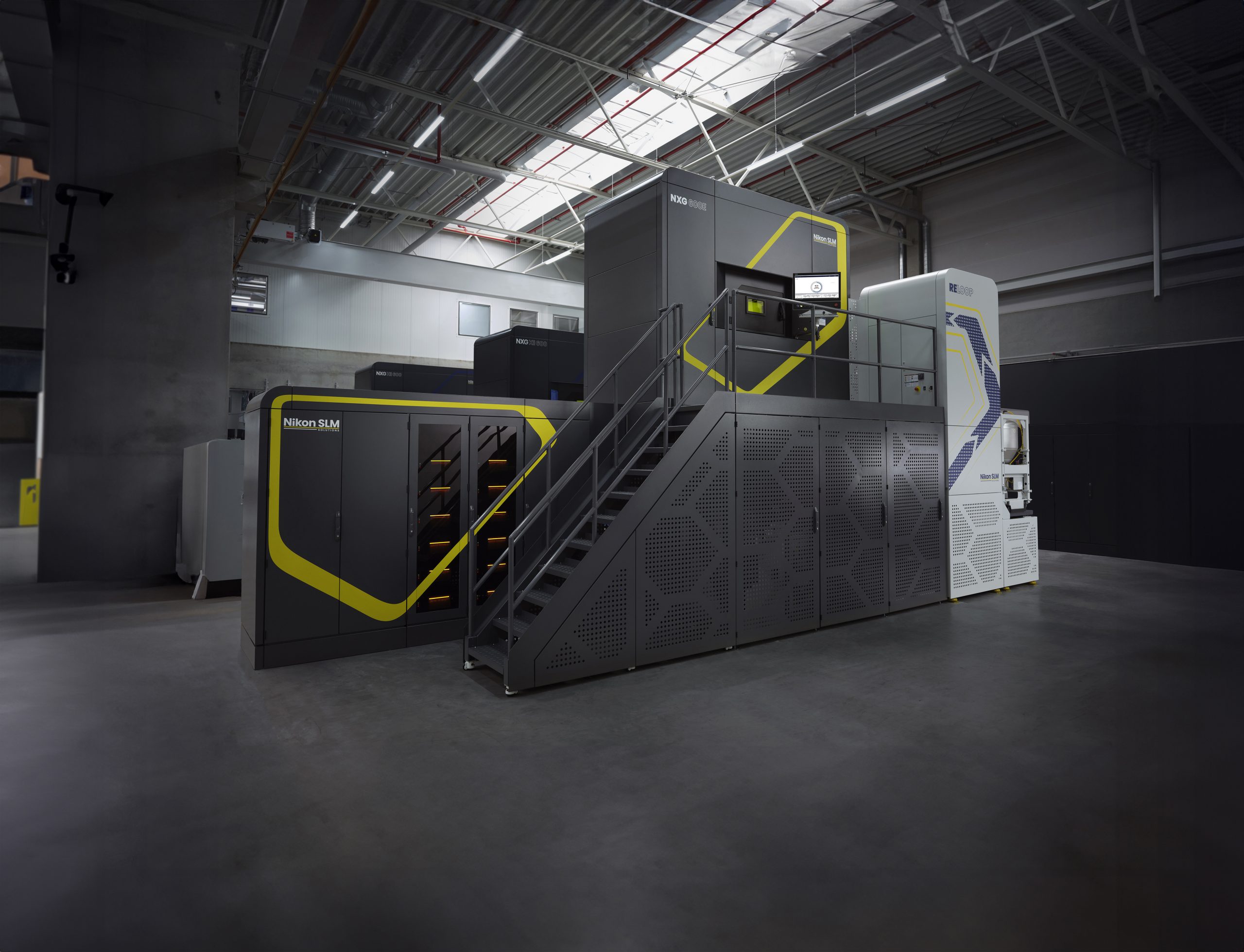


 NXG 600E
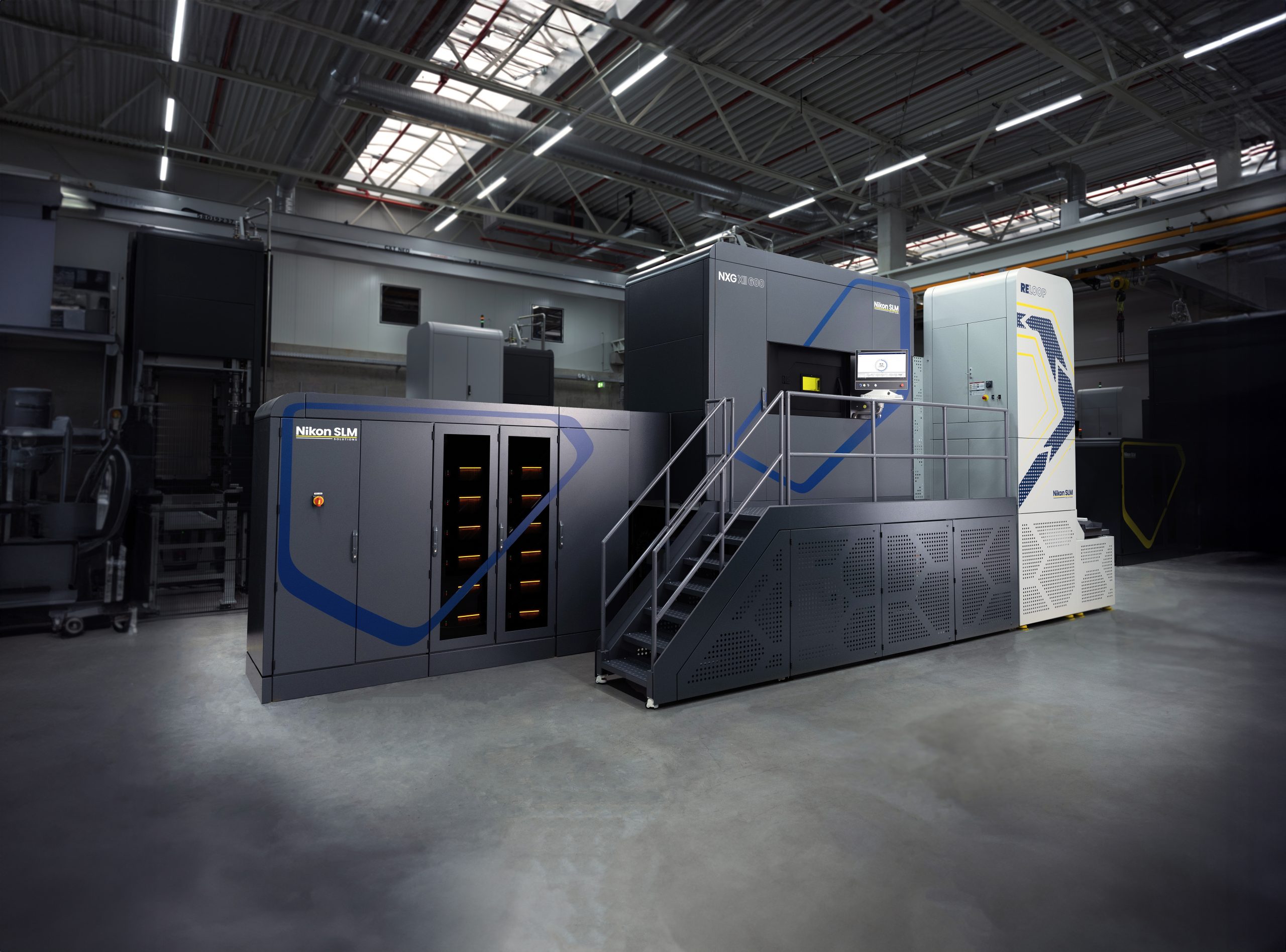
  NXG XII 600
  SLM®500
  SLM®280 PS
  SLM®280 2.0