© 2026 Nikon SLM Solutions AG
The Challenge
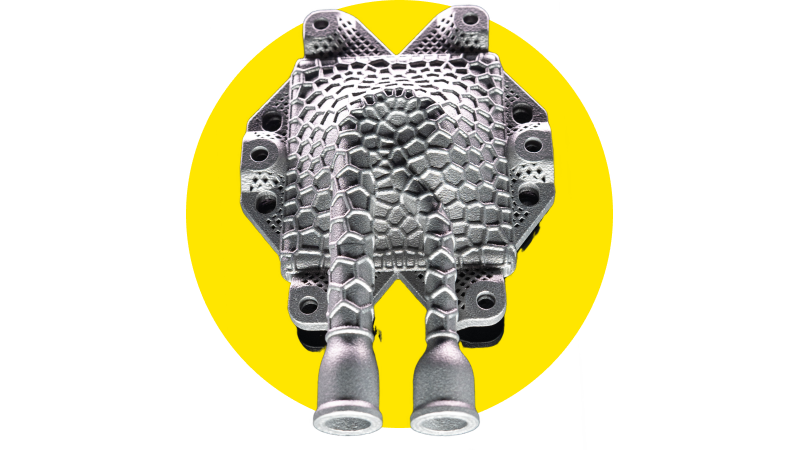
Rising GPU power density has pushed air cooling past its limits. Multi-part cooling hardware constrains geometry to what's manufacturable rather than what's thermally optimal, and every seam risks a leak. The team needed a single component whose internal geometry was dictated by fluid and heat flow physics.
The Solution
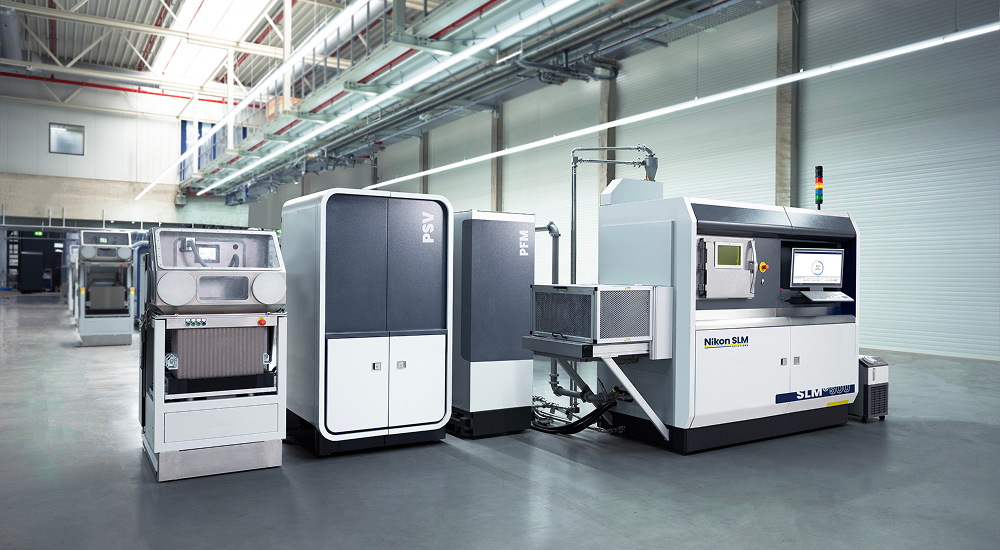
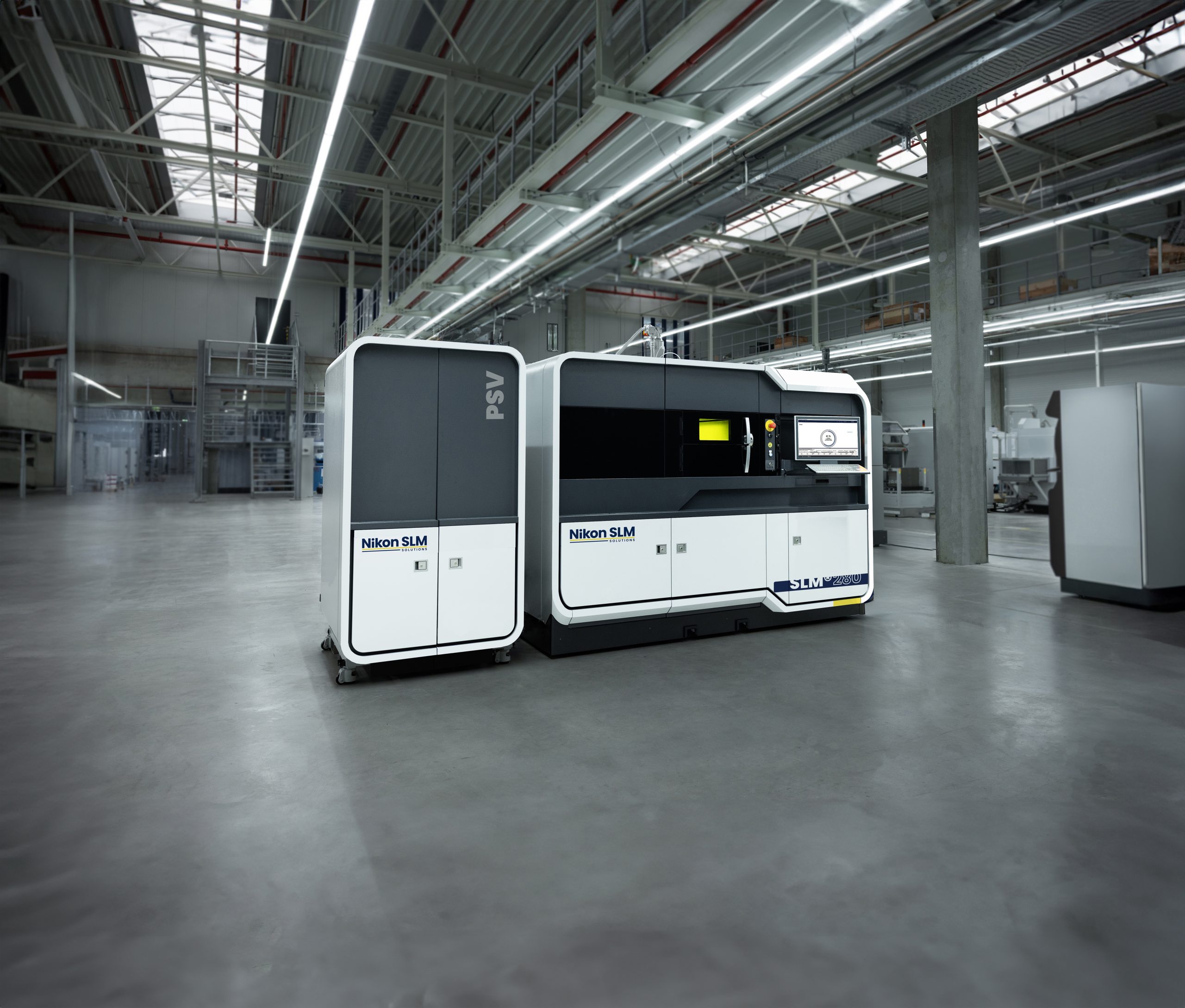
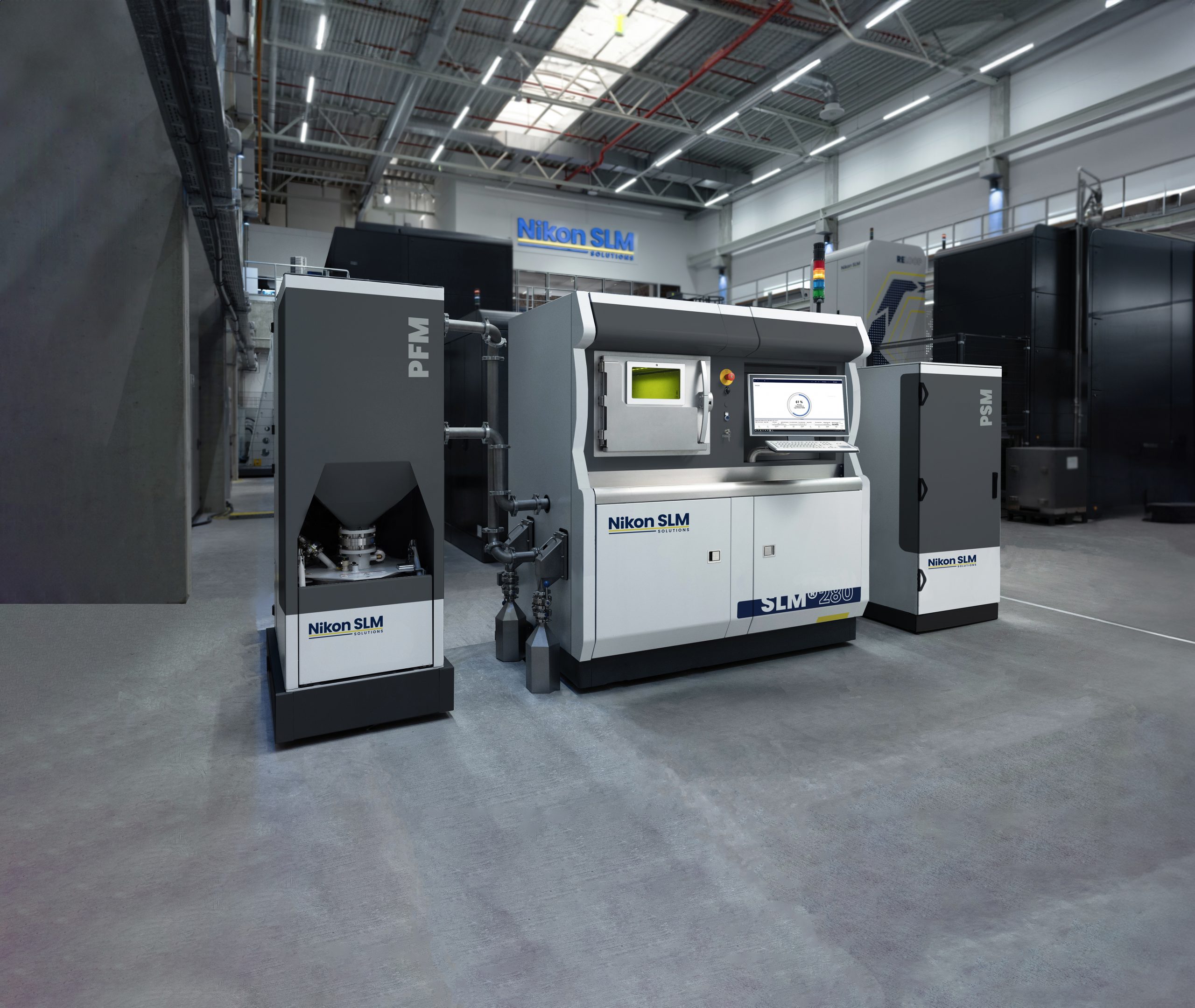
The consortium built the evaporator in aluminum on Nikon SLM Solutions' SLM®280 platform using laser powder bed fusion. The platform's open architecture let the team tune process parameters for filigree wick structures with defined, adjustable porosity, and producing the part as one piece eliminated assembly points and their associated leak risk. As Simon Brudler, Senior Consultant at DTI, said: "By 3D printing the component in aluminum, we can integrate all necessary functions into a single part. This eliminates assembly points, reduces the risk of leaks, and makes the component more reliable."
The Impact
The evaporator reached 600 watts of cooling capacity, 50 percent above target, using a passive process that draws no active energy for heat removal. Heat is extracted at 60 to 80°C, warm enough for direct reuse in district heating or industrial processes. Single-material construction simplifies recycling, with early estimates pointing to a 25 to 30 percent reduction in emissions per unit.


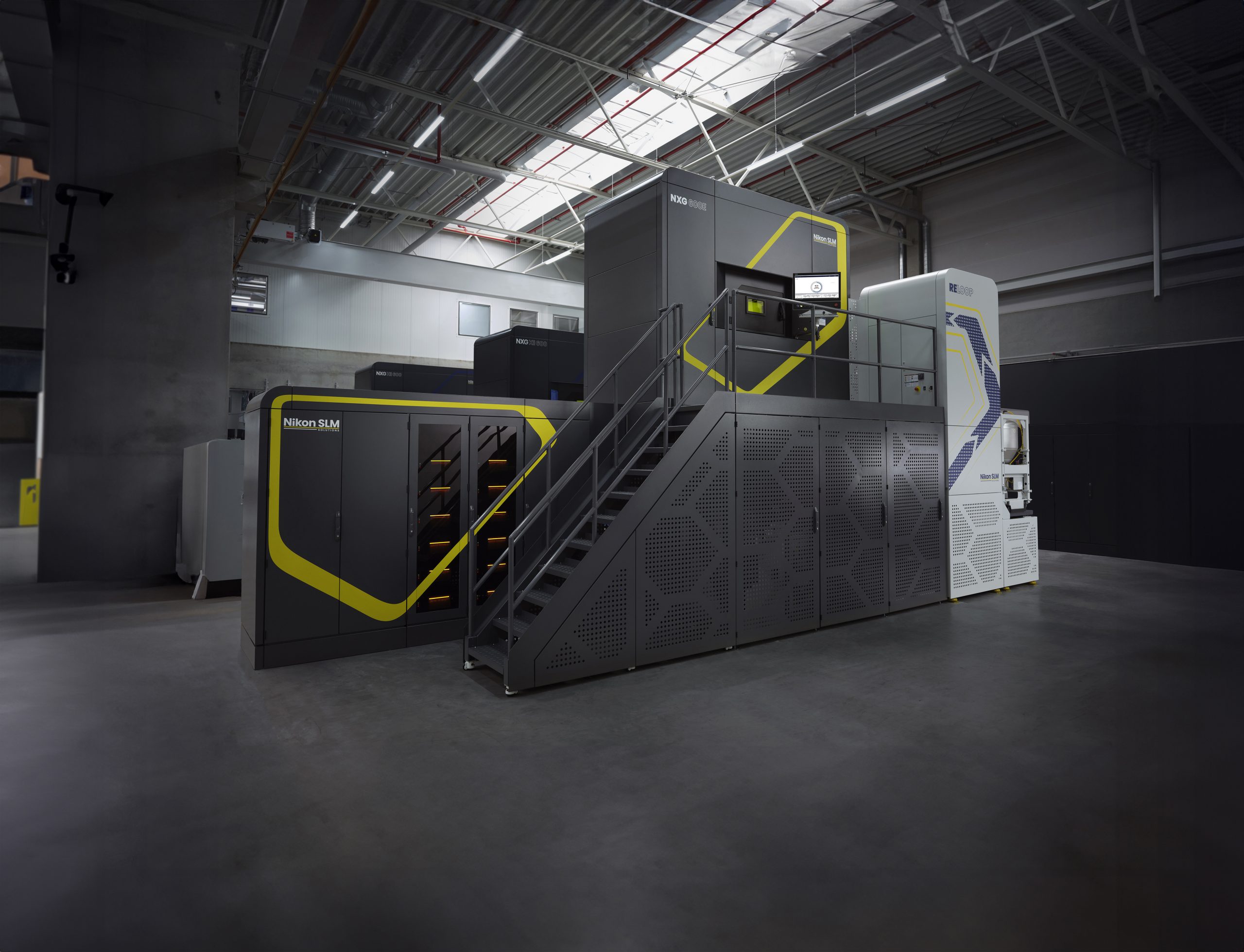



 NXG 600E
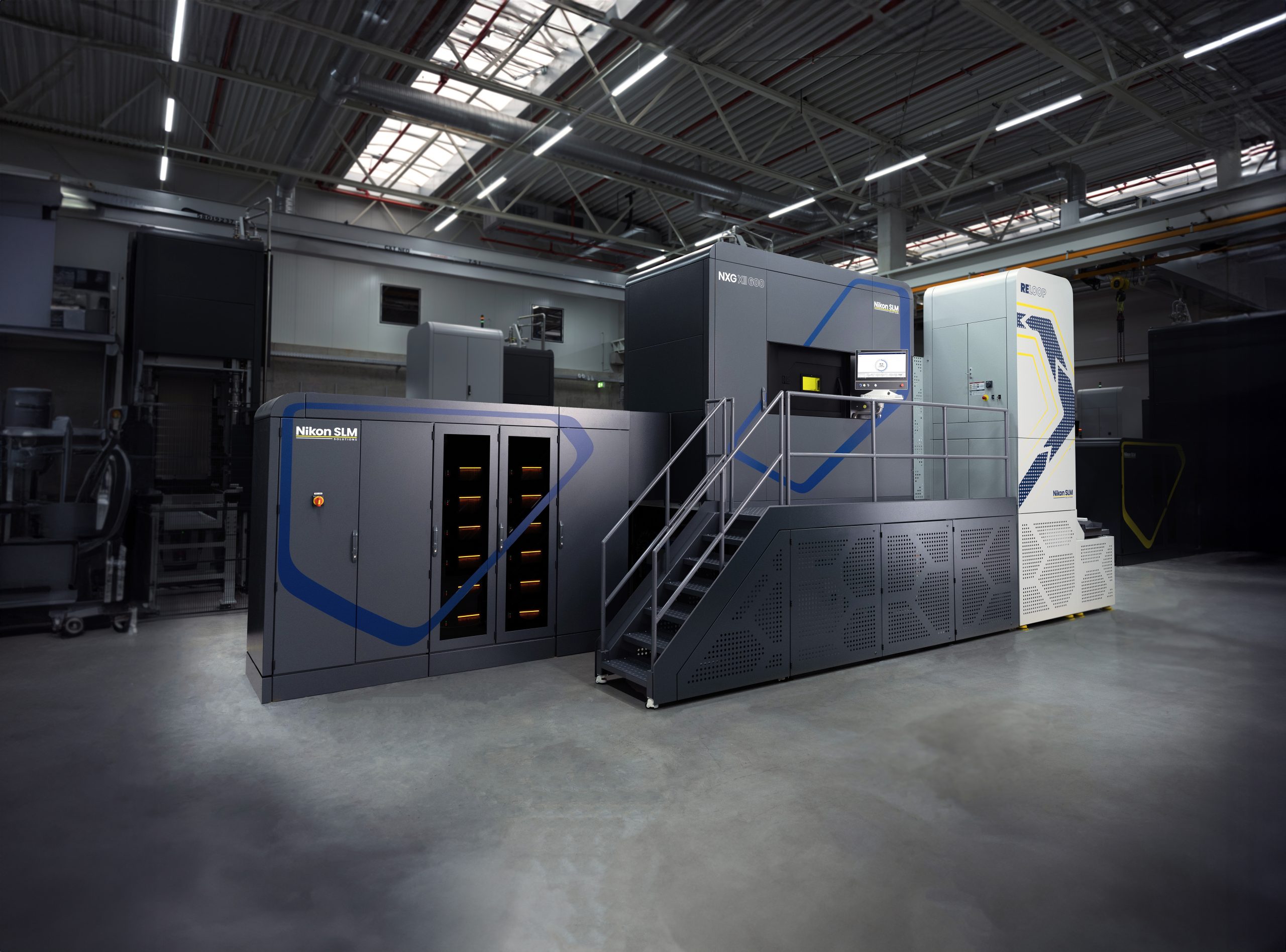
  NXG XII 600
  SLM®500
  SLM®280 PS
  SLM®280 2.0