© 2026 Nikon SLM Solutions AG


Manufacturing is at a crossroads. For decades, CNC machining and casting have shaped the products we rely on every day — from automotive housings to aerospace brackets, from industrial tooling to medical components. These traditional techniques remain pillars of global production, proven and trusted across industries. But manufacturing is evolving, and expectations are rising just as fast: shorter lead times, lighter parts, higher performance, and more design freedom.
Metal Additive Manufacturing (AM) is no longer the “future.” It’s the present — actively reshaping how engineers think, design, and build. At Nikon SLM Solutions, we see this shift firsthand. Our customers aren’t asking whether AM will matter; they’re asking when, where, and how to integrate it.
Still, choosing between Traditional Manufacturing and Metal AM is not always straightforward. Each approach has strengths. Each plays a role. And the real value lies in understanding the differences so you can make design and production decisions based on performance instead of legacy constraints.
This is exactly why we created our Additive vs Traditional Comparison Tool — to give engineers and decision-makers clear guidance based on real-world inputs rather than assumptions. But before you explore the tool, it’s helpful to understand the landscape.
The Industrial Lens: Where Each Method Excels
Traditional manufacturing dominates high-volume production. When you need thousands of identical components, and the part geometry is simple or well-understood, CNC and casting deliver predictable quality at a competitive unit cost. Automotive, general manufacturing, and heavy industry rely on them for that very reason.
Metal AM, however, thrives in environments where performance gains, lightweighting, or design complexity directly translate to value. Aerospace, energy, medical, and advanced tooling are leading adopters because the ability to redesign a part from the inside out — not just machine it from the outside in — unlocks performance improvements impossible with conventional routes.
In many cases, companies don’t replace CNC or casting; they simply add AM to their toolbox to solve problems those methods cannot.
Technique Defines Possibility
CNC machining is subtractive at its core. You start with a solid block of metal and remove what you don’t need. The results can be beautiful — smooth surfaces, precise edges, and tight tolerances. But the limitations are inherent: internal channels, organic structures, hollow geometries, and complex assemblies are either impossible or prohibitively expensive.
Casting takes a different route. By shaping molten metal inside a mold, you can form large, heavy, or complex outer geometries at scale — but every change requires new tooling. The first part is always the most expensive.
Metal AM flips this paradigm. Instead of cutting away or pouring metal, the part is built layer by layer from a digital file. No tooling. No molds. No penalty for complexity. This opens the door to rethinking the part entirely: channels that snake through a structure for cooling, lattice frameworks for lightweighting, or assemblies consolidated into a single, stronger component. Complexity becomes an asset, not a cost.
Speed, Cost, and the New Equation
Time is often where AM makes the most dramatic impact. Traditional methods depend on setup: mold creation, jig design, programming, and tooling. For a new part or iteration, those steps introduce weeks of lead time before production even begins.
Metal AM compresses that dramatically. When a design is finalized, printing can begin almost immediately. This agility matters across the development cycle — from prototyping through low-to-medium volume production.
Cost is more nuanced. Traditional methods remain cost-efficient for large batches. But when parts are highly complex, made from expensive alloys, or produced in small quantities, AM frequently becomes the more economical path. And when part consolidation removes assemblies, fasteners, and labor, the total cost of ownership can shift even further.
Part Consolidation: The Quiet Revolution
One of the most overlooked advantages of Metal AM is part consolidation — turning what used to be a multi-component assembly into a single, optimized part. This reduces weight, streamlines supply chains, improves reliability, and eliminates manual assembly steps. It’s not just a manufacturing improvement; it’s an engineering unlock.
Make the Choice With Confidence
Rather than guessing which method fits your project, our Additive vs Traditional Comparison Tool helps you evaluate cost, time, waste, and complexity based on your actual part requirements.


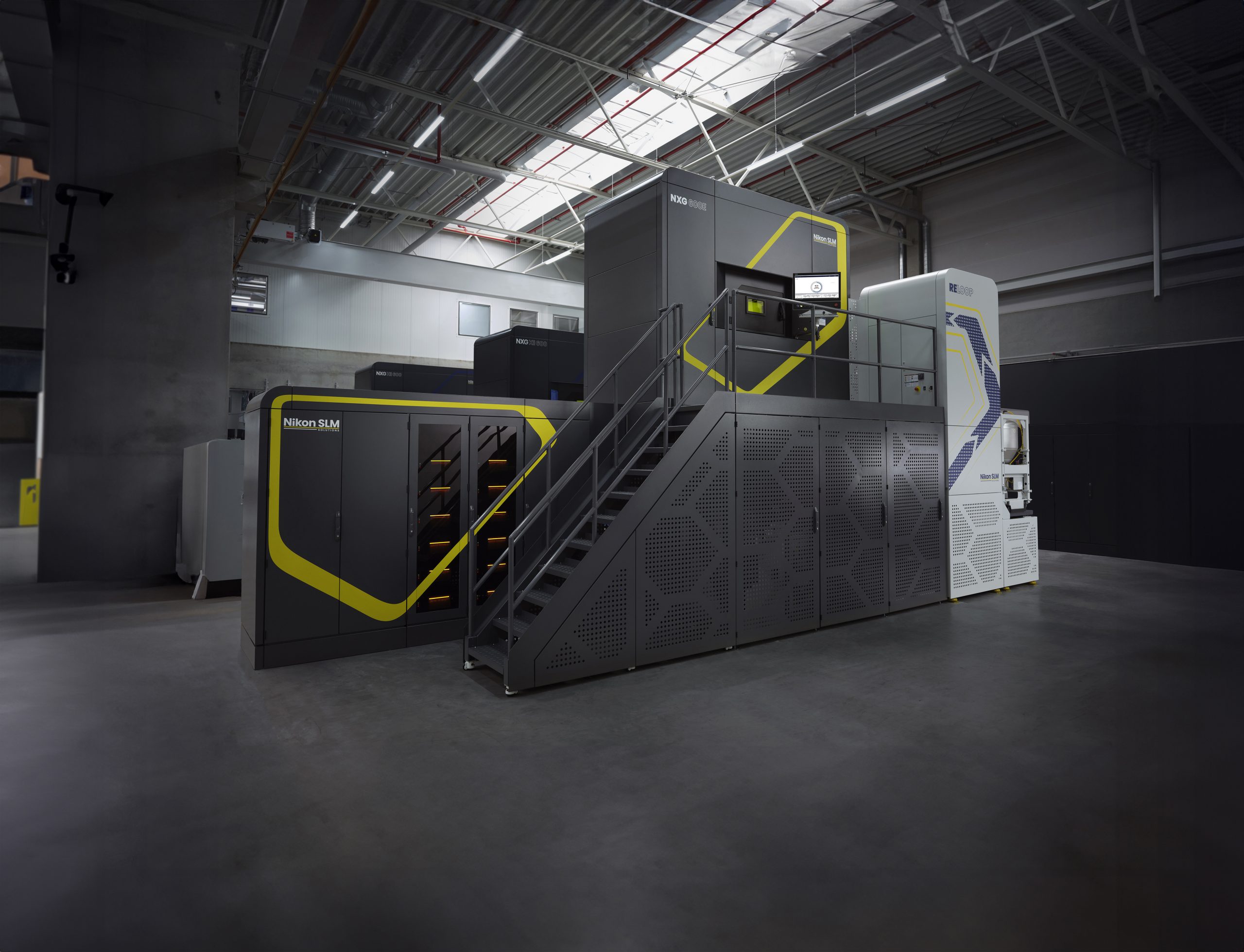
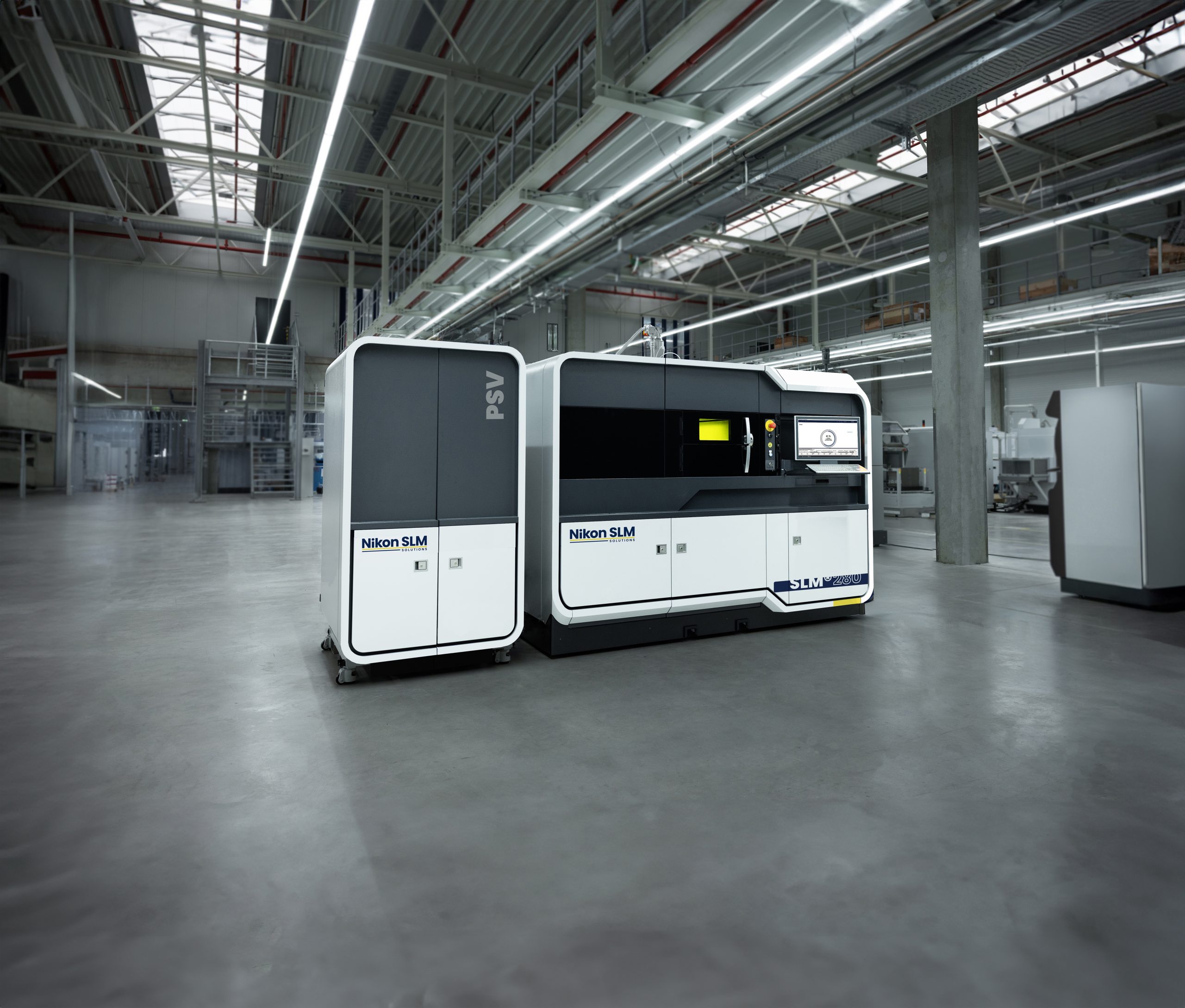
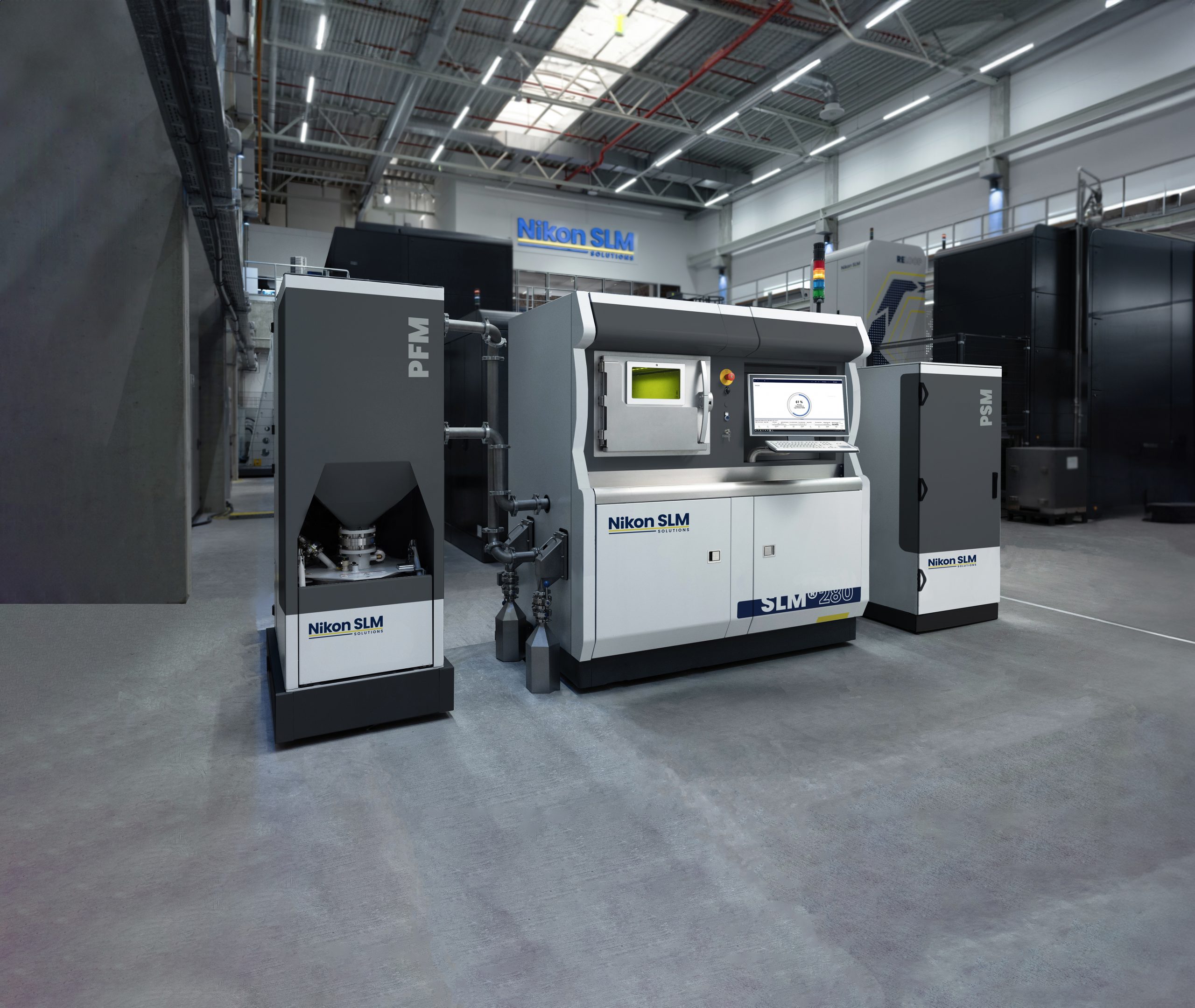


 NXG 600E
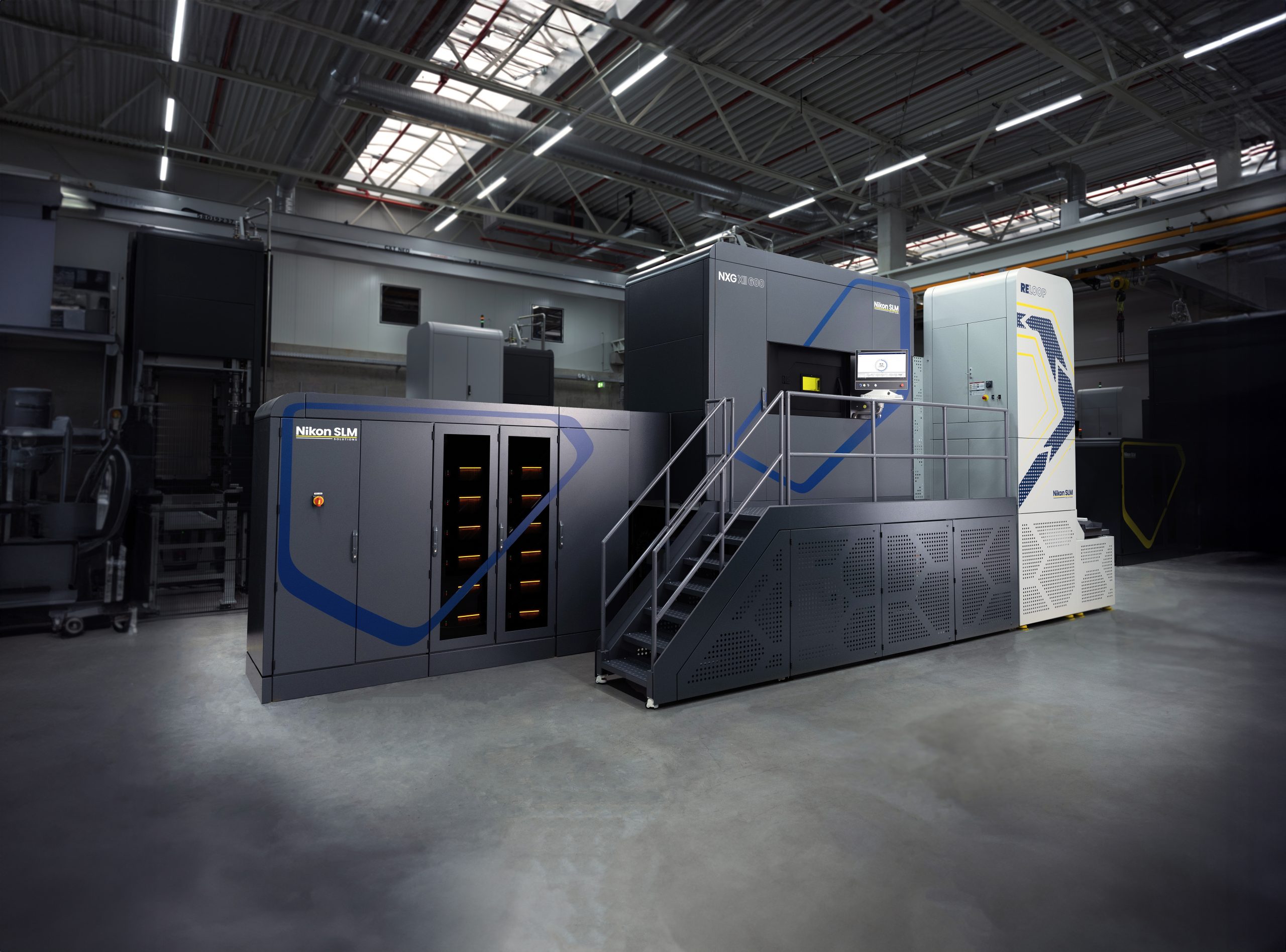
  NXG XII 600
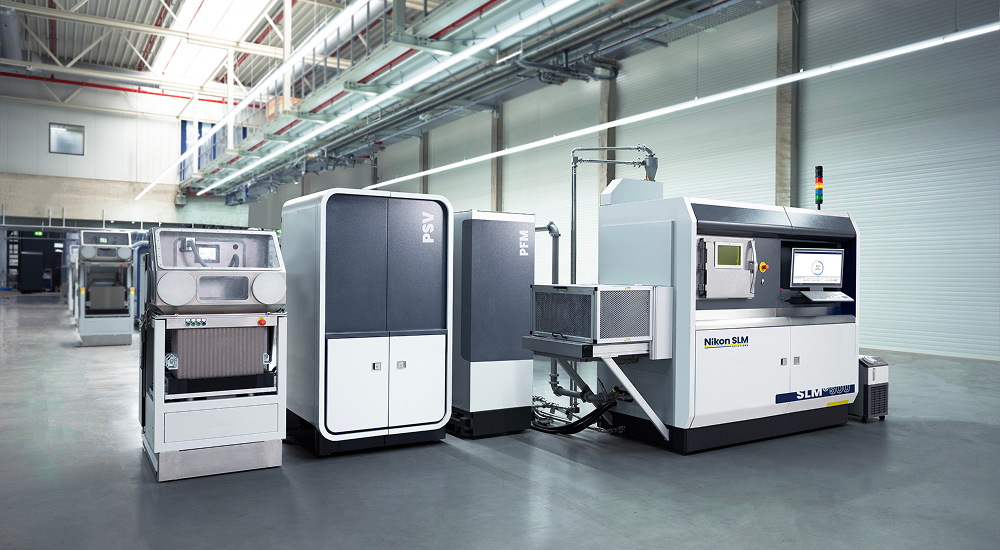
  SLM®500
  SLM®280 PS
  SLM®280 2.0