© 2026 Nikon SLM Solutions AG


May felt like one of those months where the direction of the industry became even clearer. Across defense, aerospace, and industrial manufacturing, the conversation around additive manufacturing is no longer centered on “if.” It’s about scaling, deployment, qualification, and real production impact.
From major aerospace investments and operational defense discussions to advanced materials and growing adoption of large-format systems, the momentum continues to build across the industry.
And on our side, we also reached a milestone of our own: more than 65,000 people now follow Nikon SLM Solutions on LinkedIn. Thank you to everyone following the journey, sharing ideas, challenging us, and helping push industrial metal additive manufacturing forward.
Here’s a look at what shaped May.
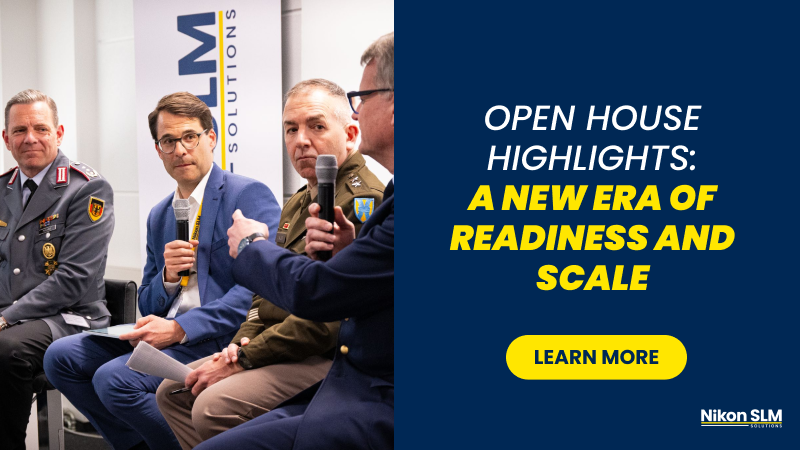
This month, Nikon SLM Solutions hosted its Defense Open House in Lübeck, bringing together leaders from across industry, government, and the armed forces for two days of focused discussion around operational readiness, production scalability, and the future of defense manufacturing.
Panel discussions and presentations explored topics ranging from supply chain resilience and qualification challenges to next-generation weapon systems, sustainment, and the realities of deploying additive manufacturing in operational environments today. Distinguished speakers and participants represented organizations including the U.S. Army, German Air Force, SAAB Dynamics, Lockheed Martin, BOSCH, and more.
One message came through clearly across the entire event: additive manufacturing is no longer simply a future capability for defense. It is already helping enable faster production, accelerated sustainment, increased flexibility, and scalable manufacturing capacity where it matters most.
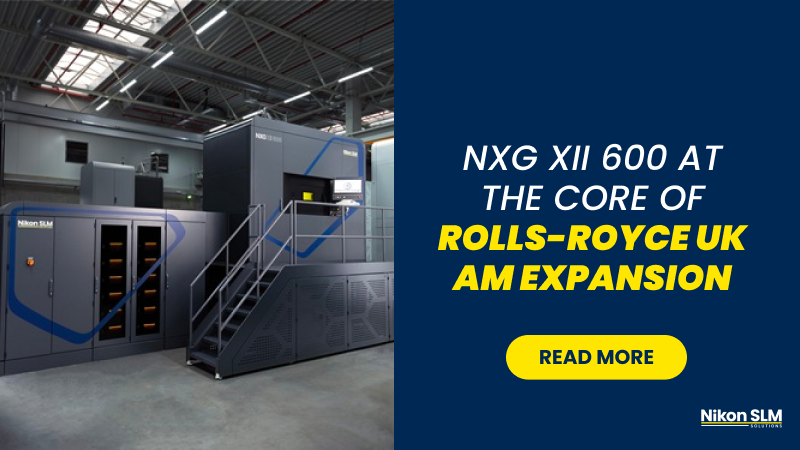
Rolls-Royce officially unveiled its new Additive Manufacturing Development Cell in Bristol, funded by the UK Ministry of Defence and centered around NXG technology. The new facility will support production of critical next-generation aircraft engine components while strengthening UK sovereign manufacturing capability.
At the same time, broader industry coverage around Rolls-Royce’s use of additive manufacturing for complex engine components continues to reinforce the same trend we’re seeing across aerospace: metal AM is steadily becoming part of real production infrastructure.
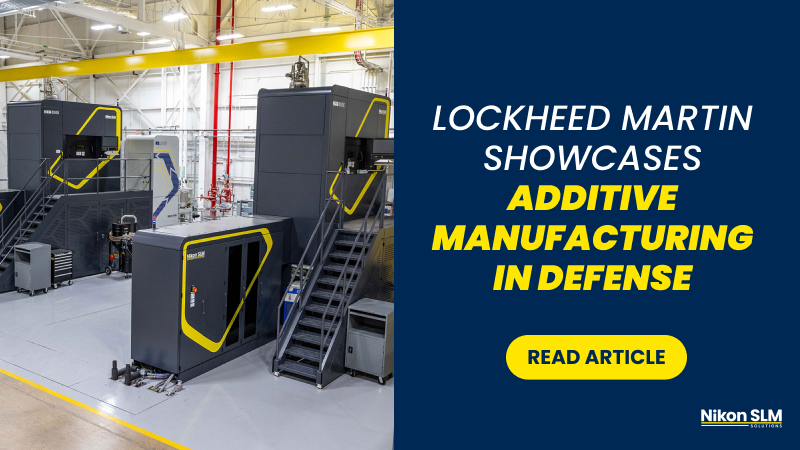
Lockheed Martin’s latest feature on laser powder bed fusion highlighted how additive manufacturing is supporting faster production, reduced lead times, and greater operational flexibility across defense applications.
From spare parts to complex production components, the article shows how AM continues moving from isolated capability demonstrations into deployed manufacturing environments supporting operational readiness today.

This month’s Materials in Motion revisited Aheadd® CP1, one of the more unique aluminum alloys in metal additive manufacturing. Developed for large-format production on the NXG XII 600, the alloy combines high thermal conductivity with strong mechanical performance and tunable material properties through heat treatment. Applications continue expanding across aerospace, energy, and thermal management systems where lightweight structures and efficient heat transfer are critical.
This month, Nikon SLM Solutions surpassed 65,000 followers on LinkedIn. To everyone following our journey — customers, partners, colleagues, and the wider additive manufacturing community — thank you for being part of the conversation and helping push the industry forward.
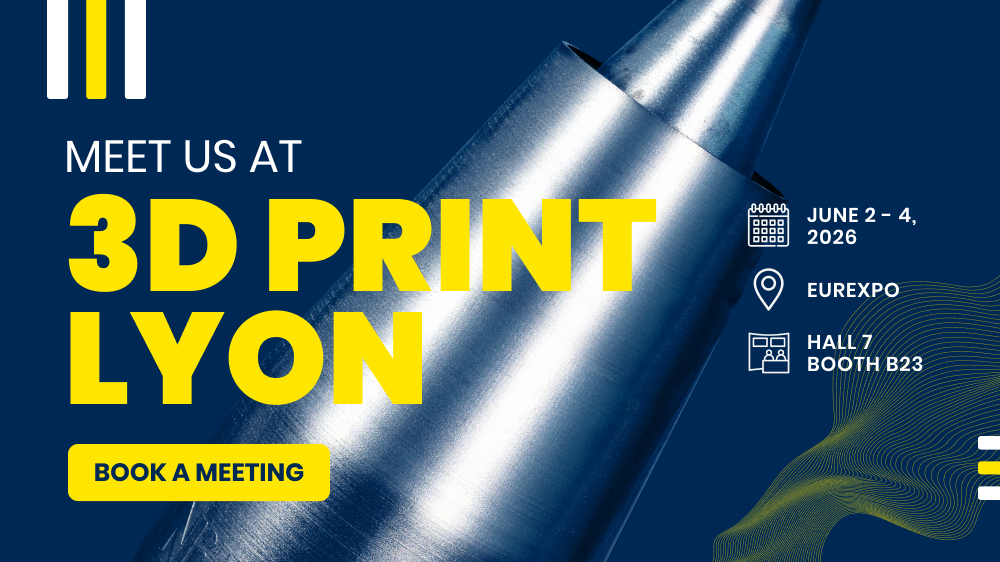
3D Print Lyon
Visit us at Booth B23, Hall 7 to explore how metal AM is driving production efficiency and innovation across industries.
Space Tech Expo USA
Visit Booth 638 to explore how large-format metal AM enables flight-critical parts with fewer components and greater design freedom.
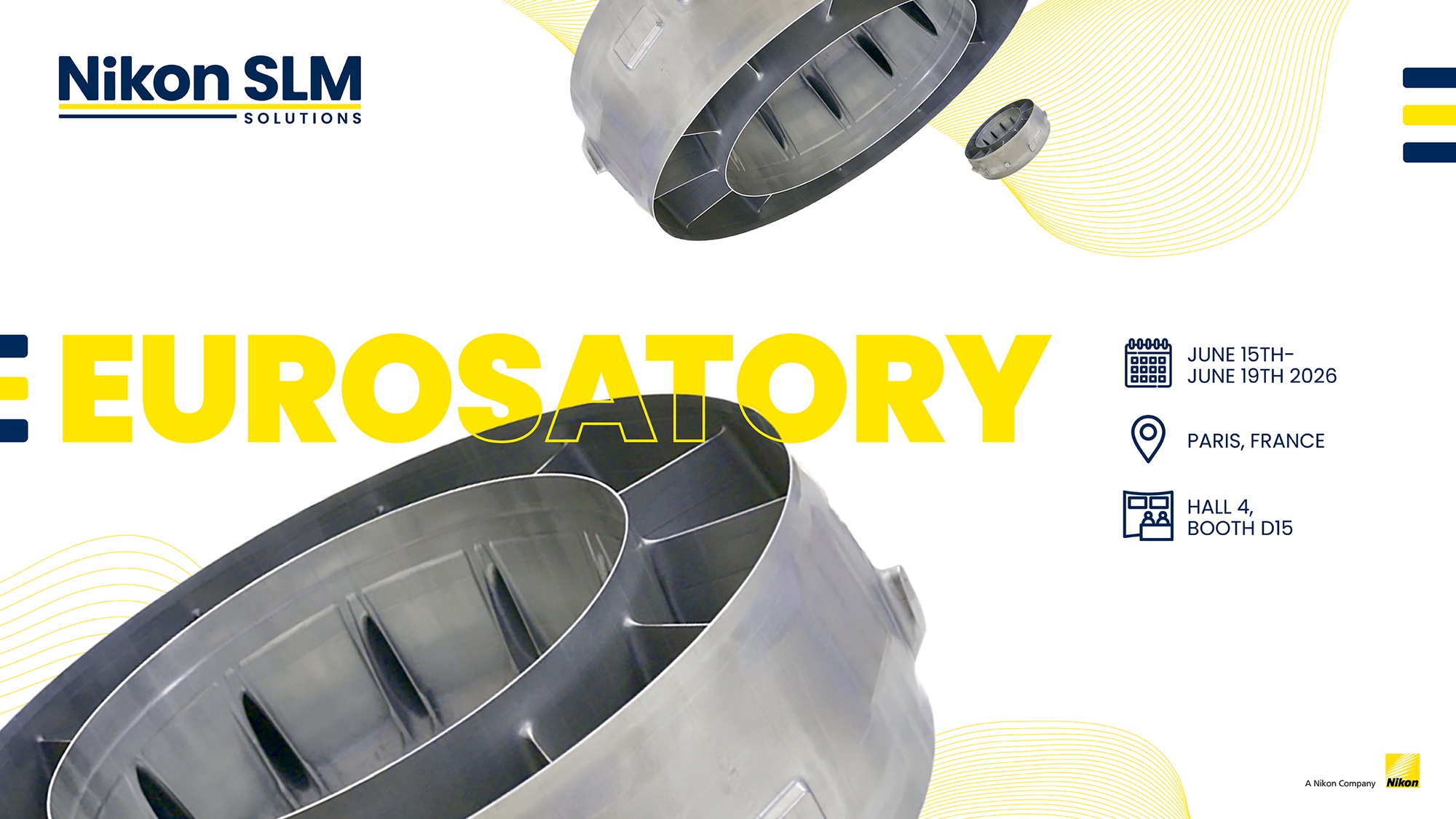
Eurosatory
Visit Hall 4, Booth D15 to explore how metal additive manufacturing strengthens defense production, accelerates qualification, and improves supply chain resilience.

Stay ahead of the curve with Addictive Additive, Nikon SLM Solutions’ dedicated blog for exclusive business cases, expert insights, and the latest trends in additive manufacturing. Whether you’re exploring advanced aerospace applications, cutting-edge automotive innovations, or new material developments, our blog has you covered.
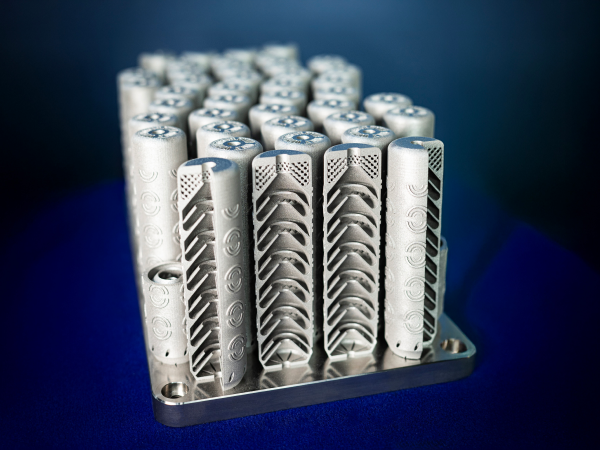
Suppressor White Paper
Additive Manufacturing of Suppressors — From Design Freedom to Scalable Production

Fundamental Motorsports
Driving High-Performance Racing Components Into the Future

Karman Space Programme
Pushing the Boundaries of Reusable Rocket Engines

Airbus
Transforming Fuel System Components With Additive Manufacturing

Curious about how metal additive manufacturing (AM) is reshaping industries?
Our collection of on-demand webinars gives you access to the latest innovations and trends in this transformative technology. From aerospace to energy, metal AM is changing the way we manufacture. Explore topics such as:
Ready to discover how metal AM can push your business forward? Watch our on-demand webinars and get inspired.

NI-BASED ALLOYS
Nickel-based alloys provide exceptional strength, heat resistance, and corrosion performance, making them essential for demanding applications in aerospace, energy, and industrial sectors where extreme temperatures and harsh environments require reliable, high-performing materials.

CU-BASED ALLOYS
Copper-based alloys offer outstanding thermal and electrical conductivity along with strong mechanical performance, making them essential for applications in tooling, electronics, and advanced energy systems where high strength and efficient heat or power transfer are critical.

TK Engineering and Nikon SLM Solutions are pioneering copper alloy AM for induction heating coils. Our SLM®280 delivers superior quality, efficiency, and sustainability, supporting carbon neutrality goals.

Download this case study to learn more about GRCop-42, a copper alloy essential for rocket engine components that require high thermal conductivity and strength.


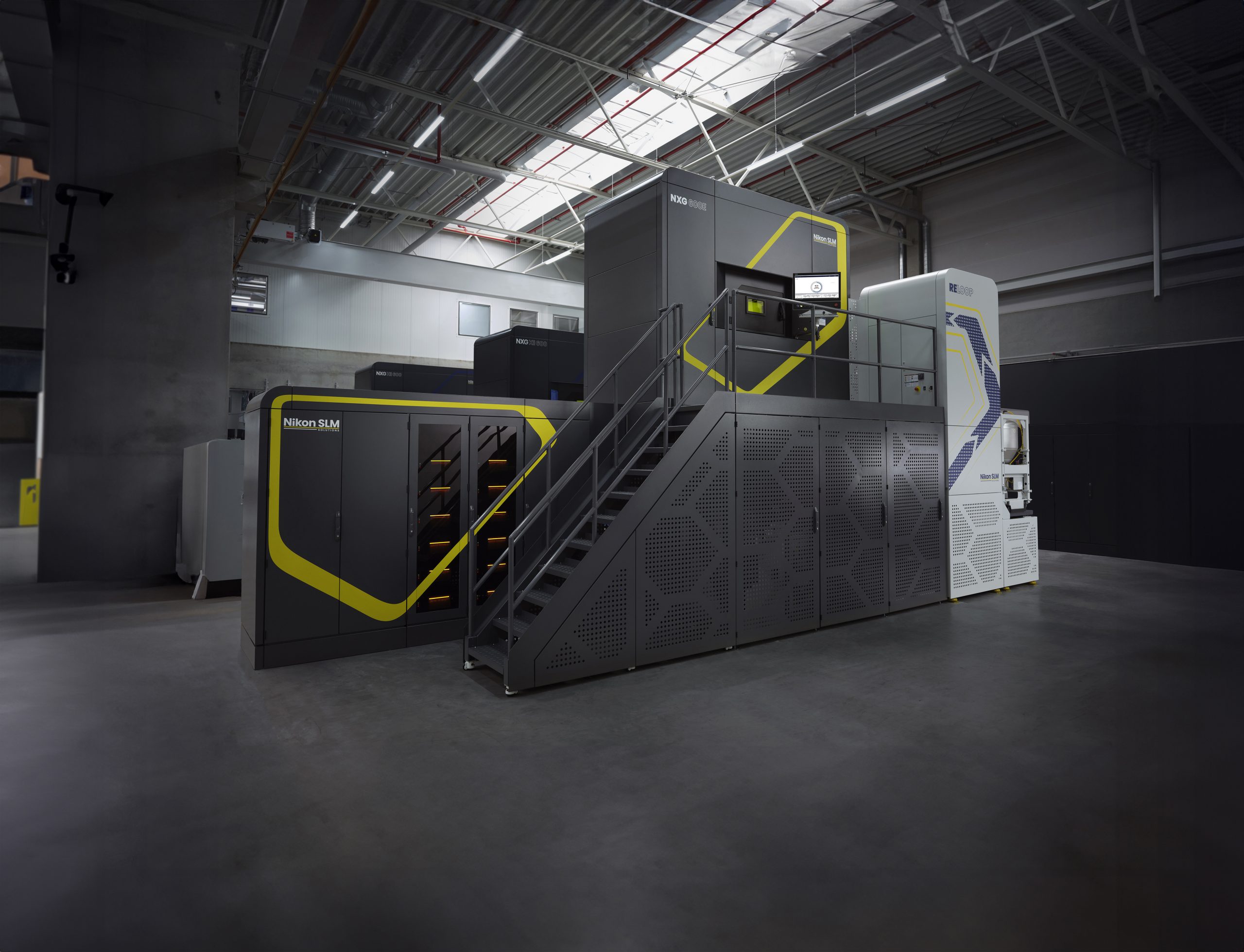




 NXG 600E
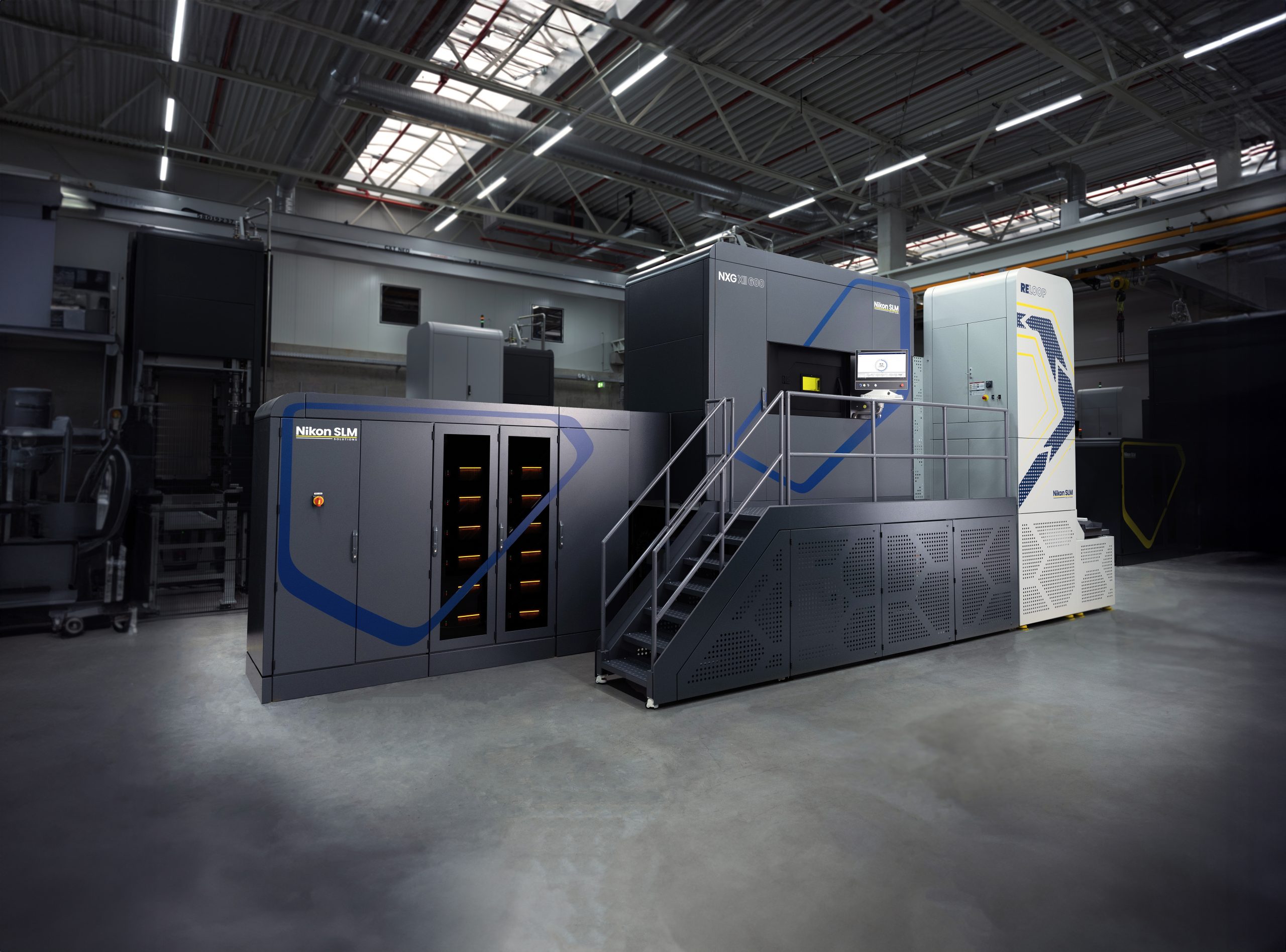
  NXG XII 600
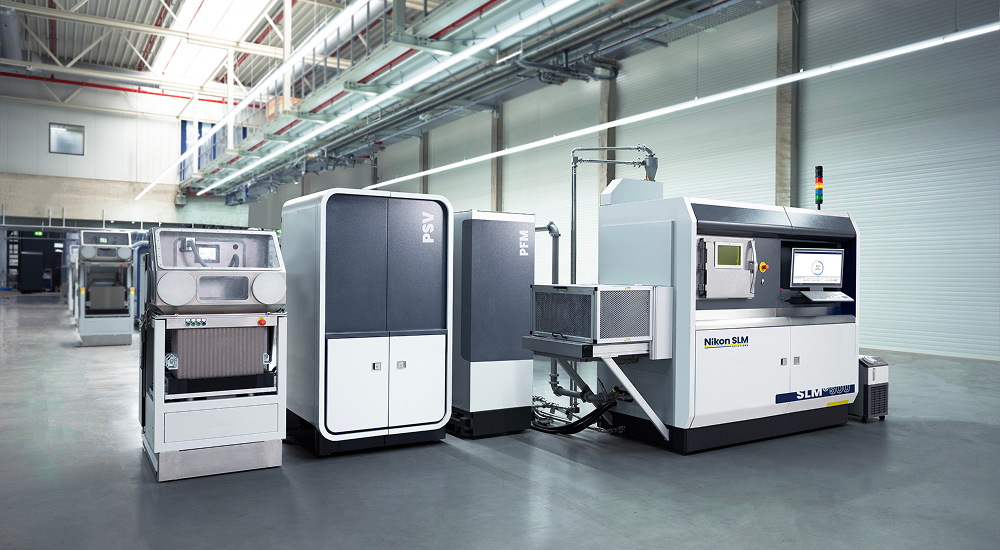
  SLM®500
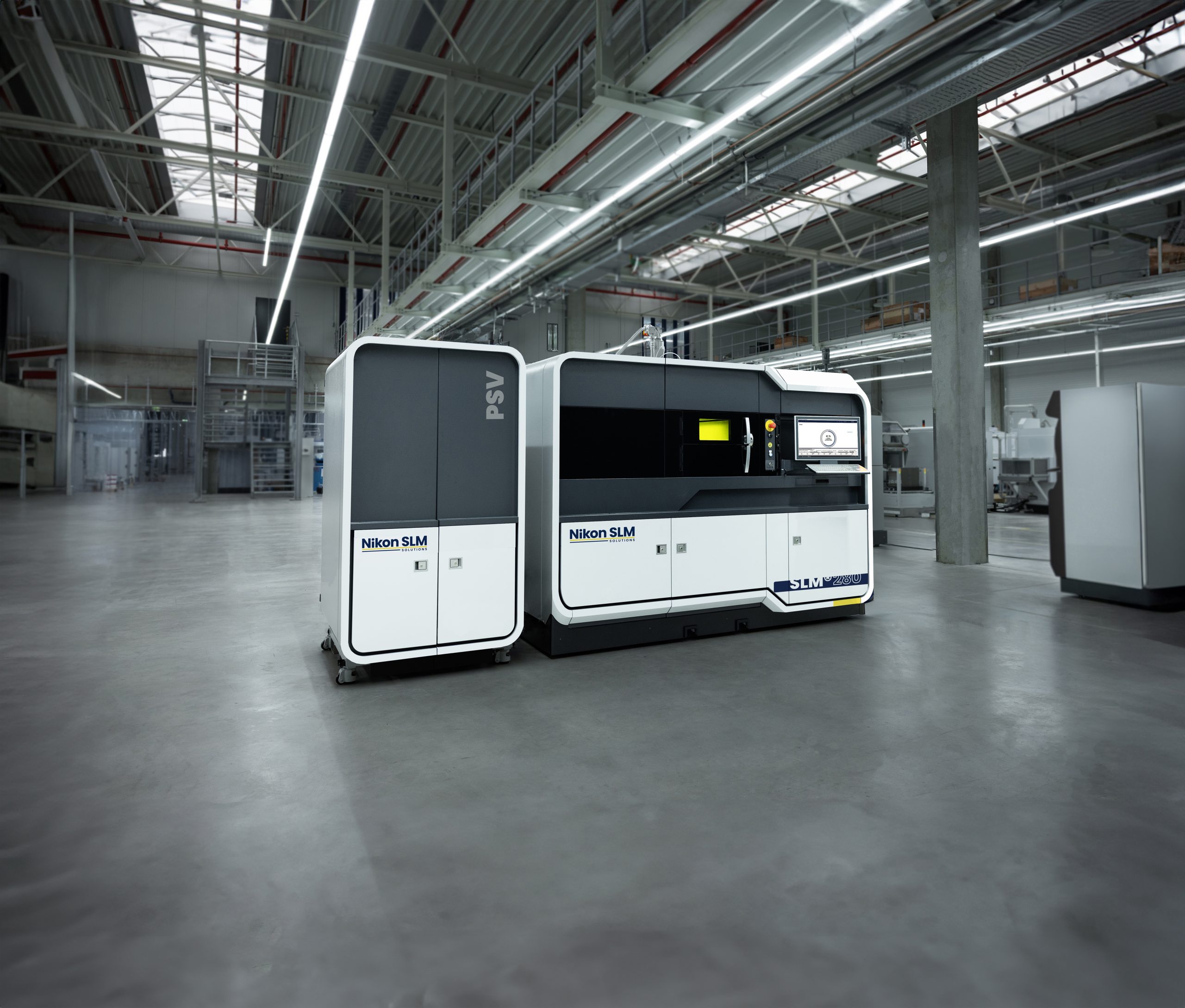
  SLM®280 PS
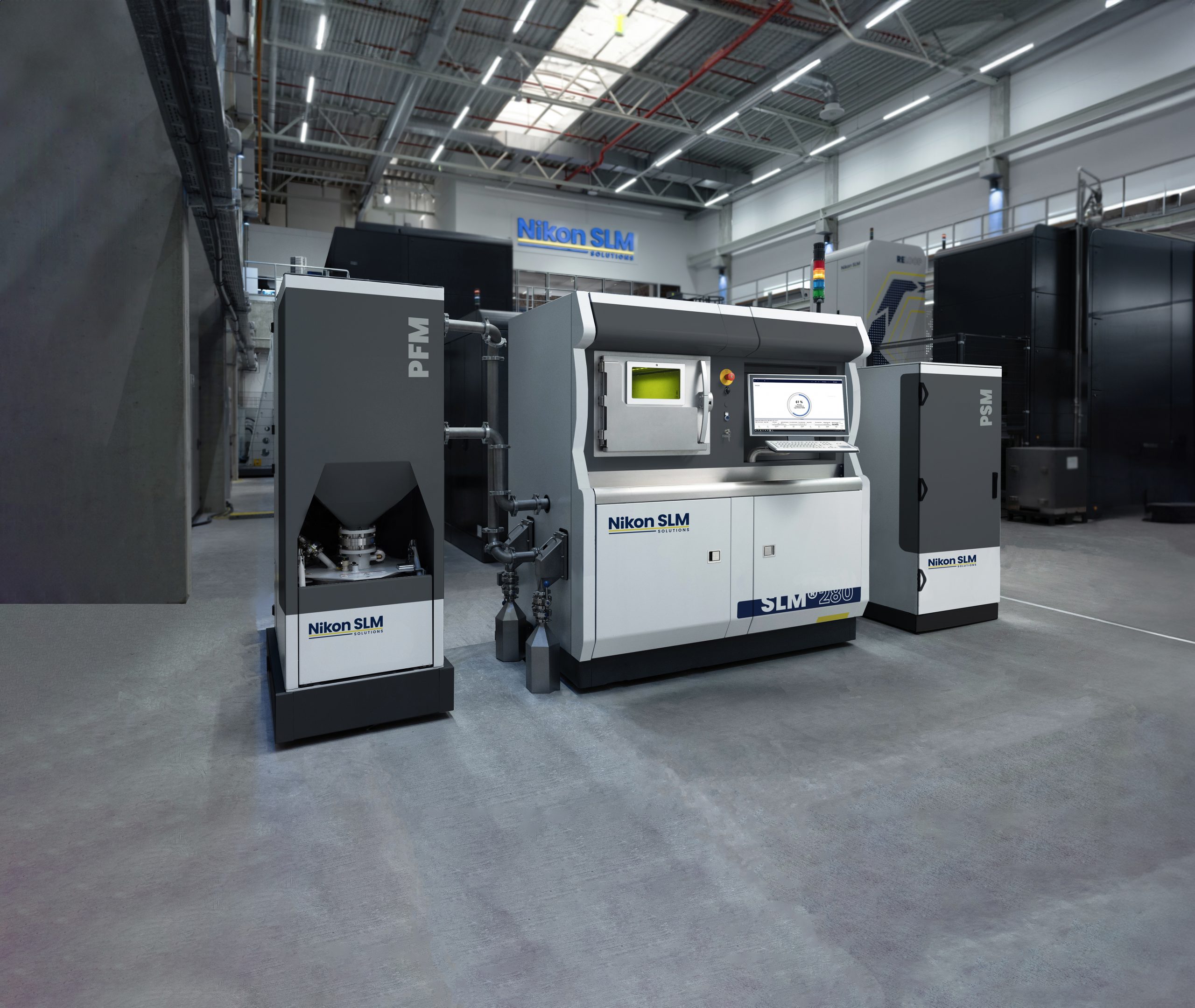
  SLM®280 2.0