© 2026 Nikon SLM Solutions AG
 System:
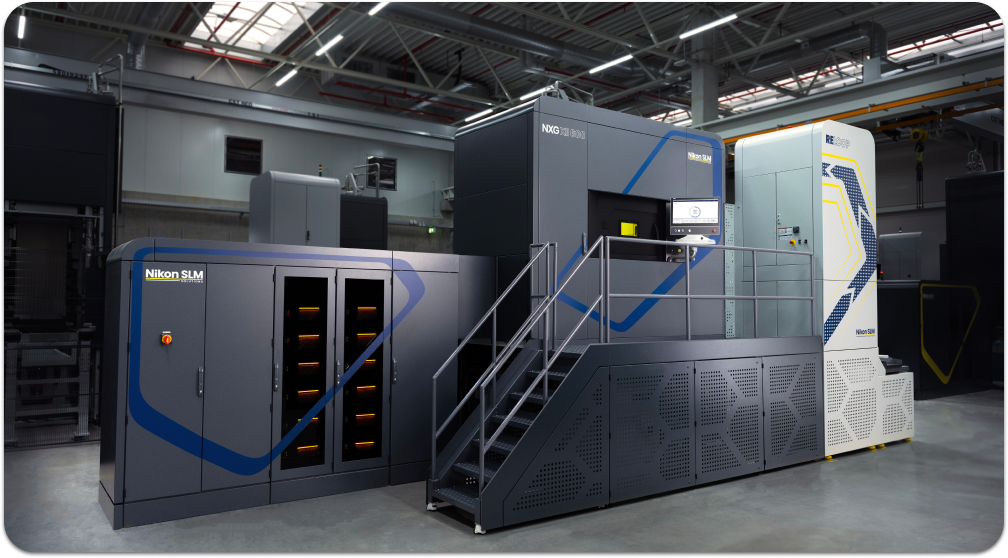
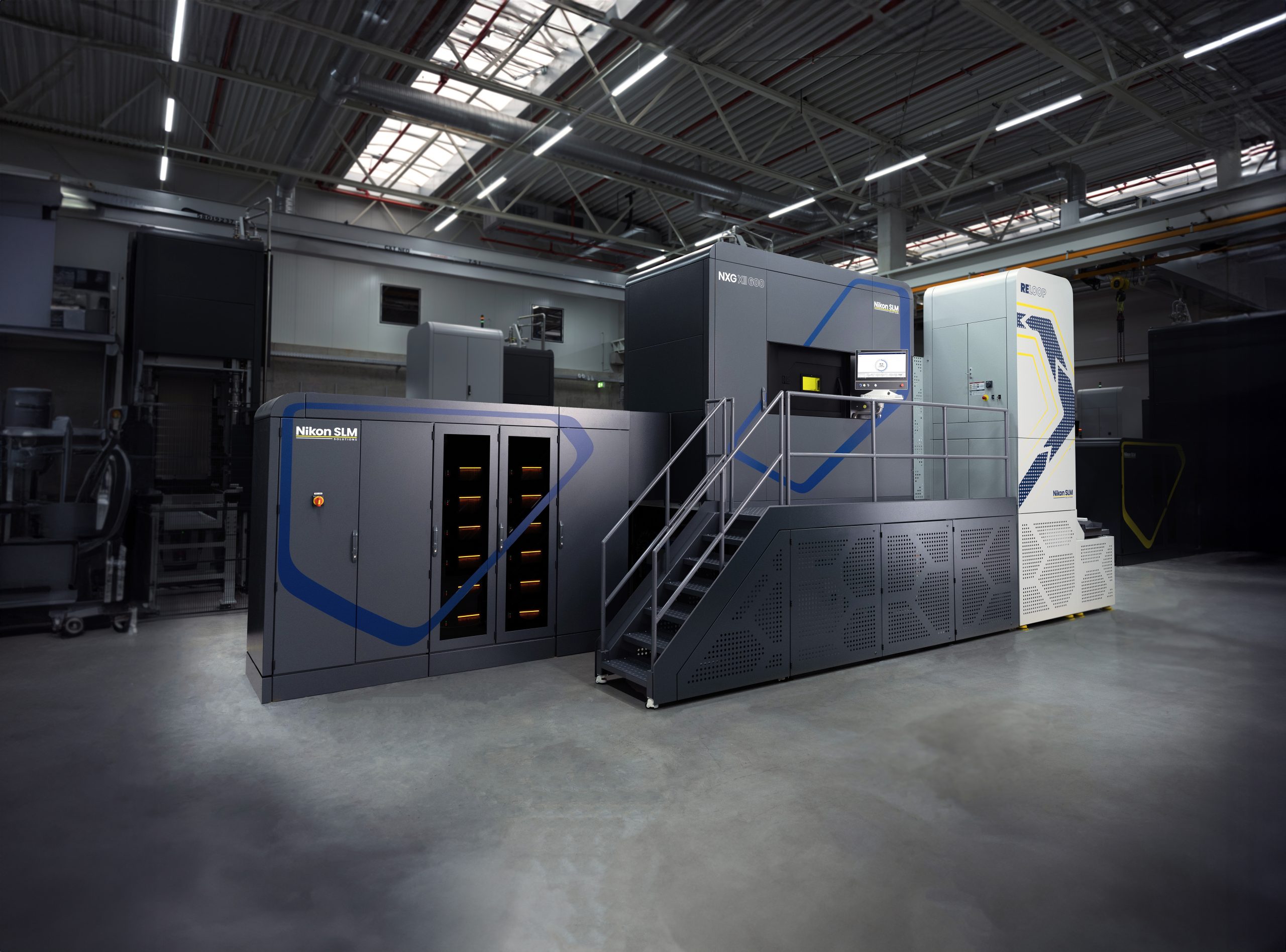
NXG XII 600
System:
NXG XII 600


Fundamental Motorsports
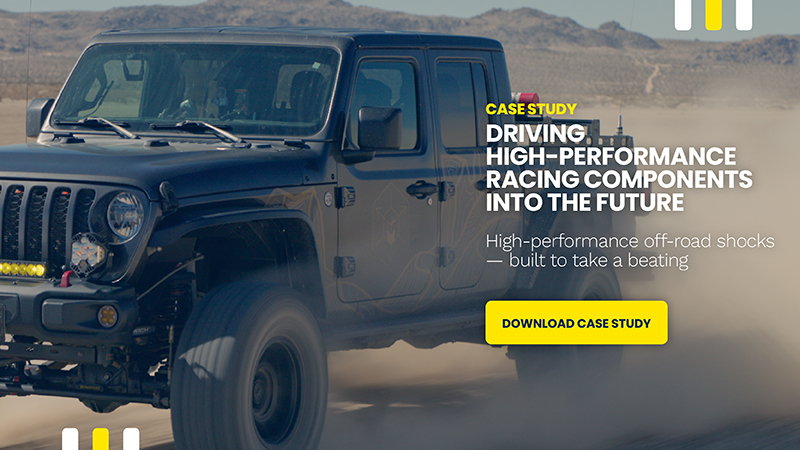
When off-road racing pushes components to their limits, conventional manufacturing reaches its breaking point. Fundamental Motorsports set out to rethink one of the most demanding parts on the vehicle — the shock housing — aiming for higher durability, lower weight, and better thermal performance in one consolidated design.
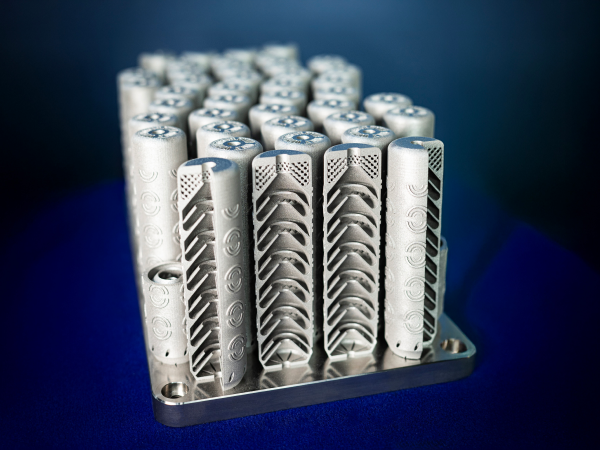
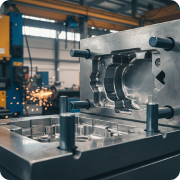
Using the Nikon SLM Solutions NXG XII 600, the team produced a fully re-engineered, single-piece IN718 shock housing featuring integrated bypass channels and cooling structures that cannot be manufactured conventionally. The result is a breakthrough component that delivers significant weight reduction, improved heat management, and exceptional reliability under extreme racing conditions.
This collaboration demonstrates how large-format metal additive manufacturing unlocks new performance frontiers — not just for aerospace and defense, but also for motorsport applications where every gram and every degree counts.
The Challenge
Off-road shock housings face intense heat, vibration, and impact loading — all while needing to remain lightweight and serviceable. Traditional multi-part assemblies introduce extra weight, additional manufacturing steps, and potential weak points. Fundamental Motorsports needed a new approach that would allow them to consolidate functionality, tighten tolerances, and enhance durability without compromising performance.
The Solution
With the NXG XII 600, Fundamental Motorsports achieved exactly that.
By leveraging Nikon SLM Solutions’ high-productivity multi-laser platform, the team produced a single-piece shock housing with optimized internal flow paths and integrated cooling features — part consolidation that only metal AM can deliver. The final design required minimal post-processing and resulted in a component built to excel under the harshest race conditions.
The Impact
The redesigned shock housing delivered major performance benefits for competitive off-road racing, demonstrating how digital design and metal AM can significantly improve functionality, manufacturability, and real-world reliability. The project showcases the growing potential of large-format AM for motorsport applications — from rapid iteration to high-strength, lightweight production parts.
Fundamental Motorsports


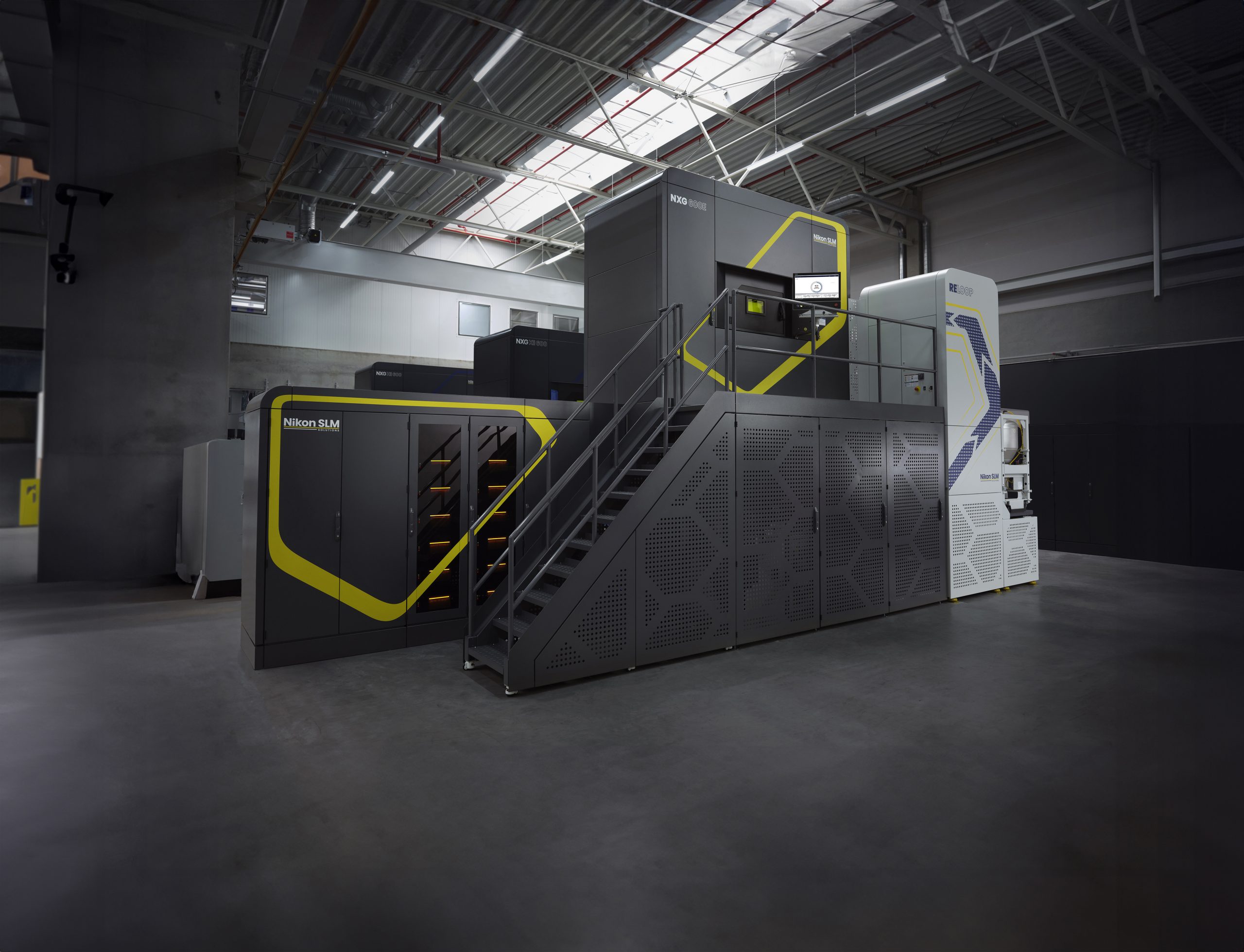






 NXG 600E
  NXG XII 600
  SLM®500
  SLM®280 PS
  SLM®280 2.0