Nikon SLM Solutions AG 2026
 Gedruckt mit
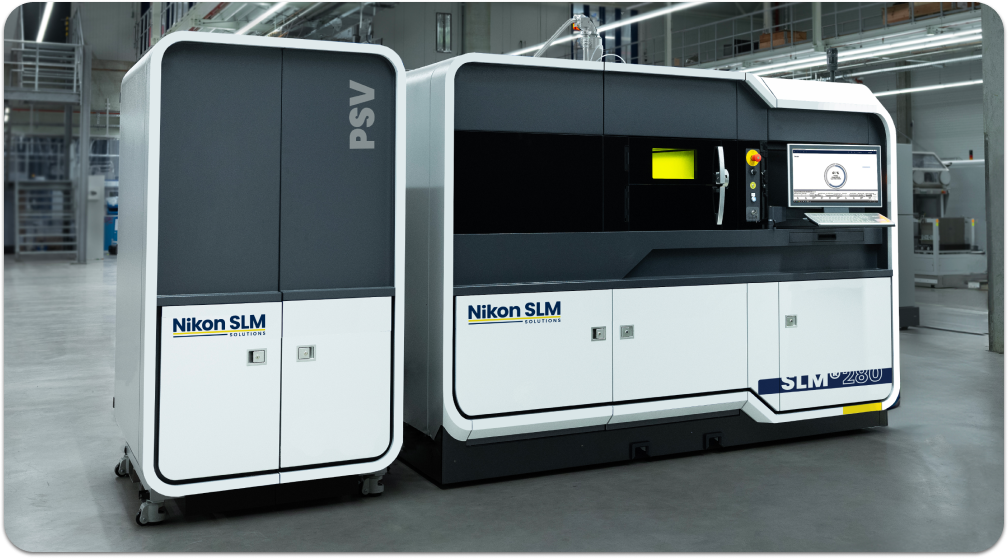
SLM®280 PS
Gedruckt mit
SLM®280 PS


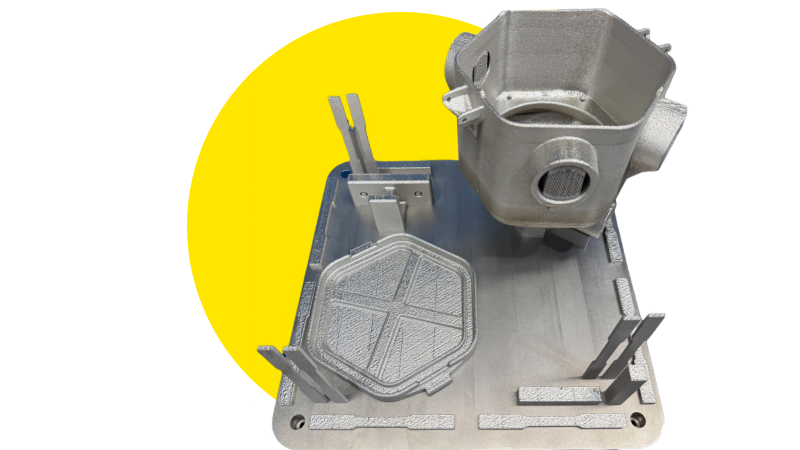
The Challenge
Energy-sector components are traditionally constrained by long lead times, complex geometries, and conservative qualification pathways.
For ExxonMobil, the challenge was not simply producing a part additively—but demonstrating that metal AM could deliver:
The Approach
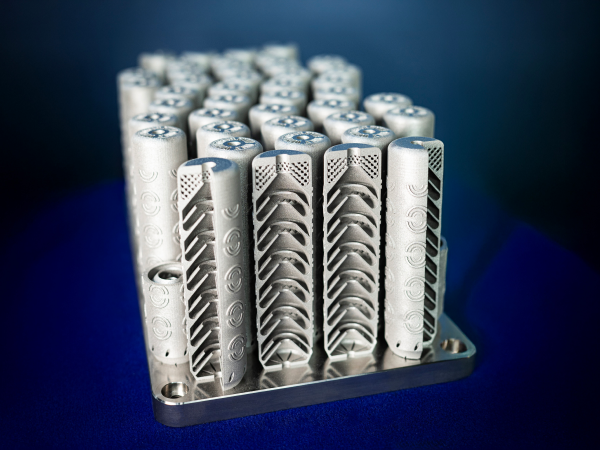
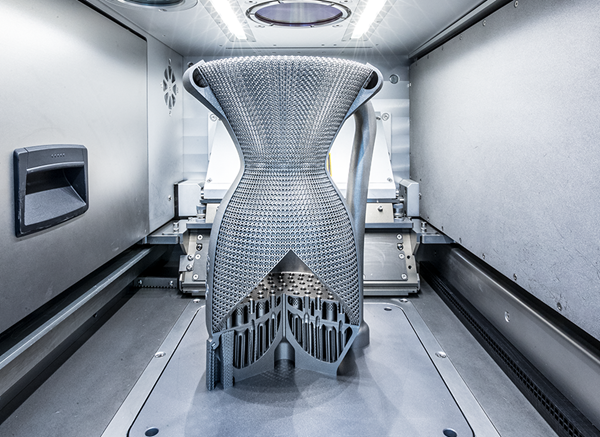
Using Nikon SLM Solutions’ industrial laser powder bed fusion technology, the collaboration focused on producing metal components that meet the functional and operational expectations of the energy sector.
The project leveraged:
Rather than chasing experimental complexity, the emphasis was placed on manufacturability, robustness, and consistency—key requirements for real-world energy applications.
The Result
The collaboration demonstrated how metal additive manufacturing can support energy-sector requirements by enabling:
The outcome reinforces metal AM’s role as a production-capable manufacturing technology, not just a development tool.
Why It Matters
For the energy industry, additive manufacturing is most valuable when it delivers measurable benefits without introducing unnecessary risk.
This case study shows how industrial-scale metal AM can:
It reflects a broader shift toward pragmatic adoption of additive manufacturing—focused on performance, reliability, and long-term value.